
If you take ibuprofen every day for pain relief, you’re not alone. But the science says you should probably stop.
Over 29 million adults in the U.S. use nonsteroidal anti-inflammatory drugs on a long-term basis [1]. That number keeps climbing. For decades, anti-inflammatory drugs (NSAIDs) have been the go-to answer for back pain, knee pain, and joint health issues. They’re cheap. They’re everywhere. And they work — at least for a while.
But here’s what many patients don’t know. The same process that gives you short-term pain relief may be setting you up for more chronic pain down the road. Meanwhile, a class of natural compounds called peptide bioregulators is gaining serious attention. These short-chain amino acids do something NSAIDs never could — they support the body’s own ability to repair itself.
Let’s break down the comparative effectiveness of each approach. When you look at peptide bioregulators vs. NSAIDs for chronic pain, the differences go far deeper than most people think.
How Nonsteroidal Anti-Inflammatory Drugs Actually Work (And Why That’s a Problem)
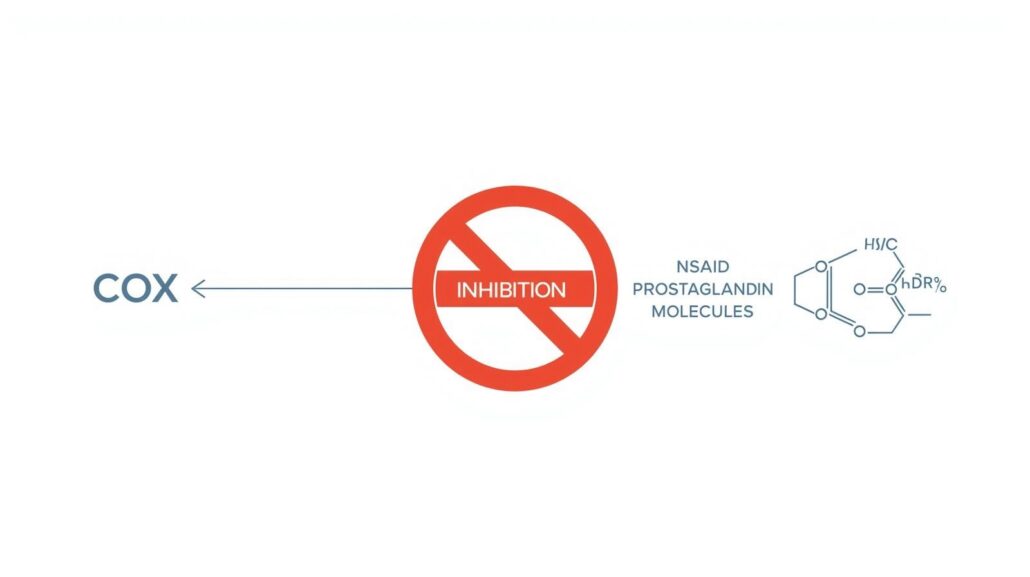
NSAIDs — like ibuprofen (Advil), naproxen (Aleve), and diclofenac — block COX-1 and COX-2 enzymes. These enzymes make chemicals called prostaglandins. Prostaglandins cause inflammation, pain, and fever.
Block the prostaglandins. Reduce the pain. Simple.
The problem? Inflammation isn’t just a symptom. It’s a healing tool. When you hurt tissue, your body sends white blood cells called neutrophils to the area. They start the repair process. Inflammation is how your body begins to fix itself.
A landmark 2022 study changed how researchers think about this pain pathway [2]. Scientists at McGill University found something striking. Patients suffering from acute pain who took NSAIDs had a 1.76-fold higher risk of that pain becoming chronic. This was compared to those who used other medications that don’t suppress inflammation.
In animal studies with mice, blocking neutrophils stretched out pain duration by up to tenfold [2].
The takeaway is clear. By shutting down the body’s natural response, anti-inflammatory drugs NSAIDs may actually stop the body from fixing the problem. This can trap people in a cycle. They depend on the very drugs that make their condition worse over time.
A separate analysis of data from 500,000 people in the UK Biobank backed this up [2]. People who took traditional NSAIDs for acute pain were more likely to still have pain 2 to 10 years later. Those who took other pain medications did not show the same increased risk.
The Long-Term Cost of Non-Steroidal Anti-Inflammatory Drugs
Even setting the pain issue aside, the side effects of long-term NSAID use are serious. Many patients don’t realize what these prescription medications — or even over-the-counter versions — can do to the body.
Gut Damage
From the very first day of use, all NSAIDs raise the risk of stomach bleeding. Among chronic pain patients, observational studies found that 97% took NSAIDs for more than 21 straight days. That’s far beyond what guidelines say is safe.
Cardiovascular Disease
All NSAIDs raise the risk of heart attack and stroke. Research shows an excess of 7–9 non-fatal and 2 fatal cardiovascular events per 1,000 patients per year [3]. All NSAIDs also double the risk of being put in the hospital for heart failure. This cardiovascular risk starts within the first month.
Kidney Damage
NSAID use in people over 65 more than doubles the risk of acute kidney injury within 30 days [3].
Joint Breakdown
This may be the most ironic finding. A 2024 study in Scientific Reports tracked patients suffering from knee osteoarthritis [4]. Long-term NSAID users were twice as likely to see worsening symptoms. Their pain score climbed higher over time. They also showed a statistically significant difference in rates of total knee replacement compared to non-users.
In other words, the drug many patients take for knee pain may speed up the destruction of human osteoarthritic cartilage. NSAIDs do not treat pain at its source. They mask it while the damage gets worse.
Depressive Symptoms and the Central Nervous System
Chronic pain and depressive symptoms often go hand in hand. NSAIDs do nothing to address the nervous system side of the equation. They don’t change how the central nervous system or peripheral nervous system process pain signals. They don’t act on pain receptors or sensory neurons directly. They simply reduce inflammation — and as we’ve seen, that can backfire.
The estimated toll in the U.S.: 41,000 hospitalizations and 3,300 deaths among older adults each year from NSAID use [5]. That’s more deaths than from car accidents.
Enter Peptide Bioregulators: A Promising Alternative
Peptide therapy with bioregulators takes a different approach to chronic pain management. Instead of masking symptoms, these therapeutic agents work with your body to promote repair at the cell level.

What Are Peptide Bioregulators?
Peptide bioregulators are short-chain amino acids — just 2 to 4 amino acids long. They were developed over 40+ years of research by Professor Vladimir Khavinson at the Saint Petersburg Institute of Bioregulation and Gerontology [6]. His team isolated over 20 complexes of active peptides from organs and tissues. They also synthesized 15 others from amino acids, with patents filed across the U.S., Europe, Japan, and beyond.
What makes these certain peptides special is how they work. Most drugs — including NSAIDs — bind to receptors on the outside of cells. Bioregulator peptides are small enough to cross the cell membrane and enter the nucleus. There, they interact with DNA itself. A 2019 review in Clinical Epigenetics confirmed that these short peptides directly interact with DNA in the promoter gene region, causing strand separation and initiation of gene transcription [7]. This can turn on the production of proteins that a specific organ or tissue needs to function.
Each bioregulator targets a specific system. Some support the thymus gland and immune system. Others target the pineal gland for sleep and hormone balance. There are options for the heart, blood vessels, gut, eyes, and more. They come as oral capsules — no intra-articular injection needed.
How Do They Help With Pain and Inflammation?
Peptide bioregulators address inflammatory pain through several signaling pathways that NSAIDs simply can’t touch.
1. They reduce inflammation without blocking it entirely.
Research in the International Journal of Molecular Sciences studied several Khavinson Peptides® [8]. These include Thymalin, Thymogen, Epitalon, Vilon, and Chonluten. All of them lowered pro-inflammatory cytokines like TNF and IL-6. But they did it in a smart way. Instead of shutting down the immune system, they promoted what scientists call “TNF tolerance.” This means they helped the body calm down overactive inflammatory markers while still allowing healthy immune function.
The peptides acted on macrophages as natural anti-inflammatory molecules [8]. They didn’t wipe out the response like steroidal anti-inflammatory drugs or NSAIDs do. They helped the body find balance. This matters, because inflammation in the right amount is needed for tissue repair.
2. They support tissue repair and cell renewal.
This is where the gap between NSAIDs and peptide bioregulators gets dramatic. NSAIDs do nothing to fix damaged tissue. Evidence shows they may actually slow repair by blocking the inflammatory conditions the body needs to heal.
Peptide bioregulators work at the gene level. They promote protein creation, collagen production, and cell renewal in targeted tissues. A systematic review in Molecules has shown that short Khavinson peptides can change chromatin structure — how DNA is packed inside cells [9]. This can wake up genes that aging or damage has silenced. The analgesic effect builds gradually as tissues actually improve, rather than just going numb.
3. They address root causes, not just pain perception.
Chronic pain often sticks around because the tissue underneath has worn down. This is the case in knee osteoarthritis, degenerative disc disease, and tendon problems. Rather than numbing signals at peripheral nociceptors or nerve endings, peptide bioregulators aim to fix the broken tissue itself.
They also work on broader signaling pathways. Some act on the immune system to reduce chronic, low-grade inflammation. Others support the central nervous system. Some research has looked at how peptides interact with voltage-gated calcium channels. Others explore the calcitonin gene-related peptide (CGRP) pathway. Both are key players in pain perception and neuropathic pain.
4. Their safety profile is strong for long-term use.
Clinical trials and long-term studies spanning 6–12 years have shown peptide bioregulators to be safe with very few side effects. Animal studies showed that long-term treatment increased mean lifespan by 20–40% while slowing age-related decline [10]. Compare that to the mounting cardiovascular events, gut bleeding, and kidney damage linked to chronic NSAID use.
Side-by-Side Comparison: Effects Compared
| Factor | Traditional NSAIDs | Peptide Bioregulators |
|---|---|---|
| How they work | Block COX enzymes; suppress prostaglandins | Cross cell membrane; interact with DNA to boost organ-specific proteins |
| Pain relief | Fast, symptom-level relief | Gradual support through tissue repair |
| Inflammation | Suppresses it fully (can block healing) | Modulates inflammatory cytokines while allowing repair |
| Tissue repair | No effect (may slow healing) | Promotes regeneration and protein production |
| Long-term safety | GI bleeding, cardiovascular disease, kidney damage, joint breakdown | Strong safety profile in clinical practice over 6–12 years |
| Root cause | Does not address | Targets the broken cells and tissues |
| Form | Pills, prescription medications | Oral capsules (dietary supplements) |
Which Peptide Bioregulators Help With Chronic Pain Management?
If you’re looking at alternative treatments to NSAIDs, particularly those rooted in peptide therapy, several bioregulators are worth exploring. These are relevant to the systems most involved in chronic pain.
Sigumir — Targets cartilage and joint tissue. Made for the musculoskeletal system. Relevant for joint health, knee osteoarthritis, and degenerative conditions. Aims to support human osteoarthritic cartilage at the cell level.
Ventfort — Targets blood vessels. Better blood flow means more nutrients reach damaged tissue. It also helps clear inflammatory markers from the area. Good patient outcomes start with good circulation.
Vladonix — Targets the thymus gland and the immune system. Chronic inflammation is, at its core, an immune problem. This matters for conditions ranging from osteoarthritis to rheumatoid arthritis. Supporting proper immune balance can help the body control its own inflammatory response — without drugs.
Chonluten — A bronchial peptide that showed analgesic properties in lab research [8]. It lowered TNF production in immune cells exposed to pro-inflammatory cytokines. This suggests it may help reduce pain and reduce inflammation at the source.
Cerluten — Targets the central nervous system and brain. Pain perception happens in the nervous system. Supporting neural health may change how the body reads and handles pain signals from sensory neurons and peripheral nociceptors.
Treatment Protocols
Dr. Khavinson’s clinical practice involved using “stacks” of 3–5 bioregulators at once. He often included a circulatory bioregulator as a base. The idea: improved blood flow helps every other bioregulator reach its target tissue. Many patients in his studies followed 10-day courses, repeated 2–3 times per year.
These offer a different lane from pharmacologic therapies like NSAIDs. They also differ from combined approaches — nonpharmacologic and pharmacologic therapies used together, like physical therapy plus drugs. They don’t replace medical advice. But they fill a gap that many people feel — especially those who want to reduce pain without the risks tied to long-term drug use.
You can learn more about the specific Peptide Regulators at Rebelpeptides.com
What the Research Landscape Looks Like
It’s worth being honest about where the science stands. Peptide bioregulators have a large body of research behind them — mostly from Russian and European institutions. Khavinson published over 775 papers [6]. Six peptide-based drugs and 64 supplements reached clinical practice in Russia.
However, large-scale double-blind, placebo-controlled trial data from Western institutions is still limited. The existing studies — including animal studies and multi-year human observational studies — are encouraging. But more research is needed. Groups like Merck Research Laboratories or similar Western bodies haven’t run their own large trials yet. Until they do, peptide bioregulators won’t have the same level of mainstream acceptance as NSAIDs.
That said, the field is growing fast. Peptide-based methods to treat pain are now a hot topic. You’ll find them in sports medicine journals (Sports Med), regenerative medicine, and longevity research. Drug discovery outlets (Drug Discov Today) feature peptide research often. And the safety data we do have — spanning decades — is reassuring.
Meanwhile, the case against chronic NSAID use grows stronger every year.
The Bottom Line
NSAIDs will always have a role in managing acute pain. You twist your ankle? Ibuprofen for a few days is reasonable.
But chronic pain is different. It lasts months or years. It drives many patients to pop pills daily. And for that kind of pain, the evidence says the standard approach may do more harm than good. Long-term inflammation blocking can stop natural healing. It can damage your gut. It strains your heart and kidneys. It may even speed up the joint breakdown you’re trying to manage.
Peptide bioregulators offer a promising alternative. They work with your biology instead of against it. They won’t give you instant spontaneous pain relief like an Advil. But they aim to support something more valuable — your body’s own power to repair, renew, and recover.
For patients suffering from chronic pain, non-pharmacological interventions like peptide bioregulators deserve a serious look. Pair them with other non-pharmacological treatments. Exercise, weight management, and stress reduction all help. Together, they shift the focus from covering symptoms to fixing causes.
The best pain management strategy isn’t always the one that works fastest. Sometimes it’s the one that actually helps you heal.

References
- Rane M, et al. “Choosing Common Pain Relievers: Cardiovascular Risks and Beyond.” Journal of Cardiovascular Pharmacology and Therapeutics. Florida Atlantic University. View Source
- Parisien M, et al. “Acute inflammatory response via neutrophil activation protects against the development of chronic pain.” Science Translational Medicine. 2022;14(644):eabj9954. View Study | PubMed
- Davis A, Robson J. “The dangers of NSAIDs: look both ways.” British Journal of General Practice. 2016;66(645):172–173. View Study
- Aweid B, et al. “Association of long-term use of non-steroidal anti-inflammatory drugs with knee osteoarthritis: a prospective multi-cohort study over 4-to-5 years.” Scientific Reports. 2024;14:6731. View Study
- Wongrakpanich S, et al. “Recognizing the Risks of Chronic Nonsteroidal Anti-Inflammatory Drug Use in Older Adults.” Annals of Long-Term Care. 2018;26(1):e1-e6. View Study
- Khavinson VKh. Publications archive. Saint Petersburg Institute of Bioregulation and Gerontology. View Publications
- Ganesan A, et al. “Peptides as epigenetic modulators: therapeutic implications.” Clinical Epigenetics. 2019;11:97. View Study
- Avolio F, et al. “Peptides Regulating Proliferative Activity and Inflammatory Pathways in the Monocyte/Macrophage THP-1 Cell Line.” International Journal of Molecular Sciences. 2022;23(7):3607. View Study | PubMed
- Khavinson V, Popovich I. “Peptide Regulation of Gene Expression: A Systematic Review.” Molecules. 2021;26(22):7053. View Study | PMC
- Khavinson VKh. “Peptides, genome, aging.” Advances in Gerontology. 2014;4:337–345. View Study
This article is for educational purposes only and does not replace medical advice. Always talk to a qualified healthcare provider before changing your pain management plan or starting any new supplement. This content has not been evaluated by the FDA. Peptide bioregulators are not intended to diagnose, treat, cure, or prevent any disease.